
Notizie ed eventi
 Corso di Filologia egiziana 20 Febbraio 2024 Si avvisa che le lezioni della prof.ssa Marilina Betrò inizieranno lunedì 26 febbraio. Tutti gli studenti intenzionati a seguire il corso di Filologia egiziana sono invitati a una riunione preliminare il 26 febbraio alle ore… Leggi tutto
 Corsi di Archeologia Egiziana e di Social History a.a. 23/24 13 Febbraio 2024 Si avvisano gli studenti che lunedì 4 marzo avranno inizio le lezioni di Archeologia Egiziana e Social History and Material Culture of Ancient Egypt tenute dal Prof. Gianluca Miniaci. I corsi proseguiranno poi secondo i… Leggi tutto
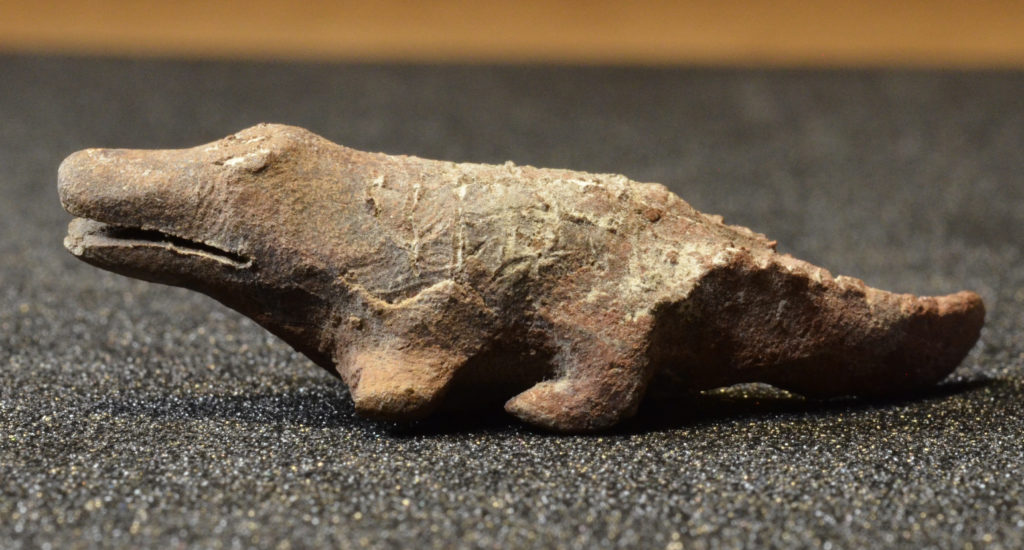 Call for application for a 2 years Research Fellowship (PIPE Project) 2 Febbraio 2024 The University of Pisa announces the public selection for the assignment of A two years research fellowship “Study of clay objects (excluding vessels) in archaeological contexts of the Nile valley (Egypt and Nubia) dating back… Leggi tutto
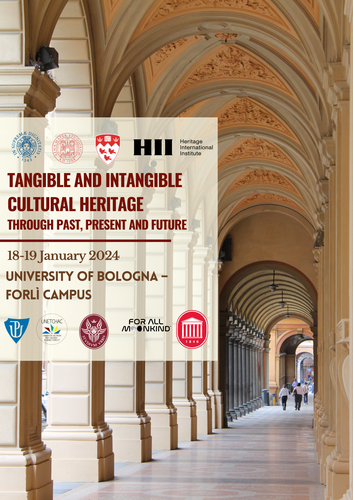 18-19/01/2024 – Simposio internazionale: “Tangible and Intangible Cultural Heritage through Past, Present and Future” 25 Gennaio 2024 Il 18 e 19 gennaio 2023, presso il Campus di Forlì (Università di Bologna), si è tenuto il simposio internazionale "Tangible and Intangible Cultural Heritage through Past, Present and Future" L'evento, co-organizzato dal prof. Gianluca… Leggi tutto
Egittologia a Pisa
L’Università di Pisa è sede del più antico corso accademico di Egittologia al mondo, creato nel 1826 per Ippolito Rosellini. Oggi tra le università italiane è quella con il più ampio gruppo di ricerca e la più ricca offerta formativa nel campo egittologico.
A Pisa lo studio e l’insegnamento della storia, delle lingue e scritture, del pensiero e di tutte le manifestazioni culturali, artistiche e materiali dell’antico Egitto sono condotti attraverso l’integrazione metodologica della filologia, dell’archeologia e di ogni altra disciplina utile alla comprensione di quella civiltà e della sua società, dalle origini fino all’età romana.
Gli egittologi pisani, che operano all’interno del Dipartimento di Civiltà e Forme del Sapere, sono impegnati attivamente in ricerche sul campo e nei musei.
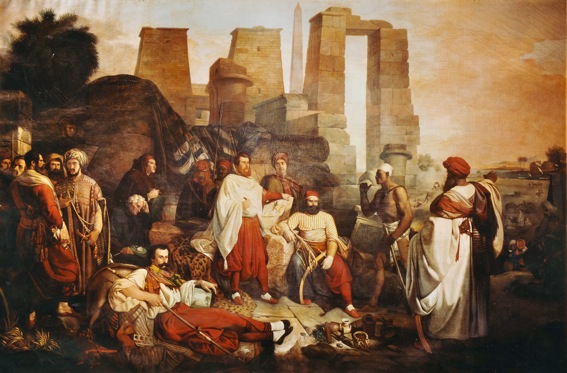
Egitto e Vicino Oriente
Egitto e Vicino Oriente è una rivista annuale dell’Università di Pisa, fondata da Edda Bresciani nel 1978. Pubblica articoli dedicati alla ricerca in tutti gli ambiti delle culture antiche dell’Egitto e del Vicino Oriente.